In the vast expanse of the Pacific Ocean, under a darkening sky, four astronauts plummeted back to Earth at breakneck speeds, their spacecraft a fiery comet streaking through the atmosphere. This wasn't just a splashdown—it was the culmination of NASA's boldest lunar endeavor in half a century. On April 10, 2026, the Orion capsule hit the waves off San Diego at 8:07 p.m. ET, marking a flawless end to Artemis II. The crew emerged unscathed, their voices crackling over the radio with relief and triumph. But the real story? A high-stakes test of human ingenuity against the void.
Blasting Off: The Journey Begins
The adventure ignited on April 1, 2026, at 6:35 p.m. EDT, when the Space Launch System rocket thundered from Kennedy Space Center's Launch Pad 39B in Florida. Aboard were NASA veterans Reid Wiseman, Victor Glover, and Christina Koch, joined by Canadian Space Agency astronaut Jeremy Hansen—a nod to the international alliances fueling the Artemis program.
The next day, a precise translunar injection burn propelled them free of Earth's grasp. The service module's engine roared for six minutes, slinging the spacecraft toward the moon. Over the ensuing days, Orion sliced through the blackness of space, its solar arrays unfurling like metallic wings to capture the sun's energy. Cameras mounted on those arrays beamed back stunning vistas, a visual feast for mission controllers and the world watching from afar.
Circling the Lunar Frontier
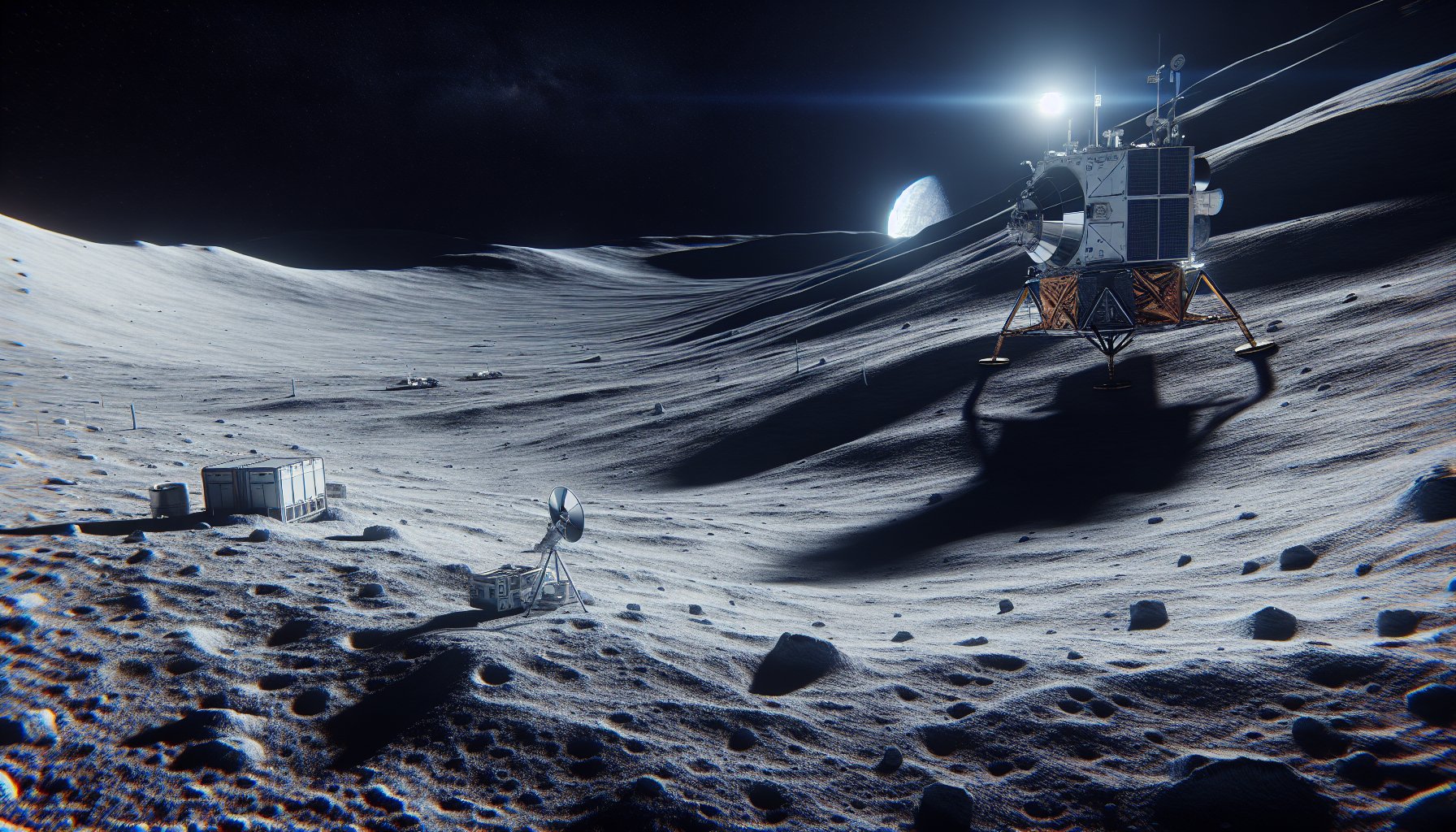
Artemis II wasn't about planting boots on regolith—that's for Artemis III, slated for a crewed landing around 2027. Instead, this 10-day odyssey was a rigorous shakedown: the first crewed lunar flyby since Apollo 17 in 1972. The spacecraft skimmed perilously close to the moon's cratered surface, testing human-rated hardware in the harsh lunar environment.
No anomalies marred the flyby, NASA confirmed. It was a critical validation, building on the uncrewed Artemis I mission from 2022, which had exposed troubling heat shield erosion during re-entry. Engineers, ever the problem-solvers, tweaked the trajectory for Artemis II, opting for a direct plunge to slash exposure to the plasma inferno.
The Fiery Plunge: Re-Entry's Tense Ballet
Tension peaked as re-entry loomed. At 7:33 p.m. ET, the crew module detached from the service module, baring its heat shield to the onslaught. A quick raise burn at 7:37 p.m. ET fine-tuned the descent. Then came the crucible: peak heating at 7:53 p.m. ET, with Orion screaming through the atmosphere at 400,000 feet, subjecting the crew to a bruising 3.9 Gs.
For six agonizing minutes, communications blacked out—a radio silence that tested nerves back in Houston's Mission Control. But at 8:03 p.m. ET, drogue parachutes blossomed at 22,000 feet, followed swiftly by the three main chutes. The capsule, now a gentle giant under billowing silk, kissed the ocean less than 35 minutes after the dive began. "What a journey. We are stable. Four green crewmembers," Wiseman radioed, his words cutting through the static like a victory cry.
Safe Harbor: Recovery and Reflection
A U.S. Navy team aboard the USS John P. Murtha sprang into action. Divers plunged into the swells, helicopters whirred overhead, and within moments, the astronauts were whisked to safety. Onboard medical checks confirmed what everyone hoped: all four were in prime condition, their health a top priority after days in microgravity.
This "mission well accomplished," as NASA dubbed it, didn't just prove Orion's mettle for deep-space jaunts. It spotlighted the program's broader ambitions—a sustained lunar foothold, complete with the Gateway orbital station and commercial landers like SpaceX's Starship. Amid the rise of private space ventures, Artemis revives America's moonshot spirit, paving a starry path toward Mars.
Echoes of Exploration
As the crew savored their first earthly breaths, data from the heat shield streamed in for analysis, promising tweaks for future flights. No minor glitches during blackout or flyby, officials noted—a clean slate. In a NASA statement, the launch was hailed as "a defining moment for our nation and for all who believe in exploration." Indeed, Artemis II isn't just a chapter closed; it's a launchpad for humanity's next giant leap, reminding us that the stars, once distant dreams, are now within reach.


