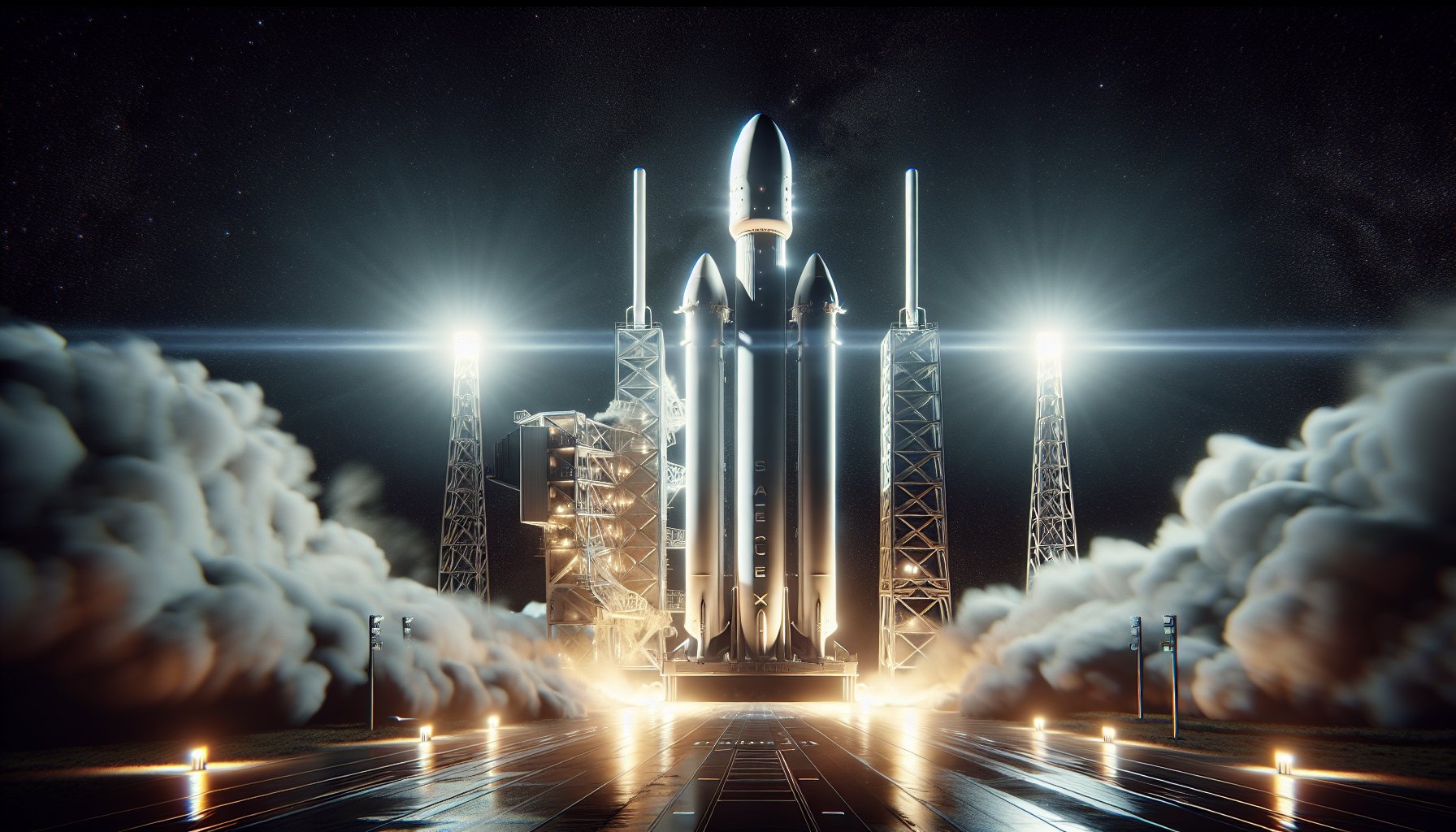
SpaceX Starship Flight 9 Reaches Space in Partial Success from Texas
Boca Chica, Texas — SpaceX launched Starship Flight 9 from Pad A at Starbase on May 27, 2025, at 6:30 p.m. CDT. Stages separated successfully, and the upper stage reached space before scheduled engine cutoff.[1]
The Federal Aviation Administration updated SpaceX's launch license on May 15, 2025. The change raised the annual limit at Starbase from five to 25 flights. Officials incorporated recent environmental approvals into the modification.[1]
Flight 9 marked the first significant reuse of hardware. The upper stage used a Block 2 configuration with upgrades after prior failures. Stages separated as planned. The upper stage achieved its suborbital trajectory and engine cutoff, officials said.[1]
Both stages were lost later. Leaks caused the failures. The mission did not meet full goals.
Flight 8 suffered a mishap in March 2025. The FAA investigated the incident. The agency required SpaceX to await a return-to-flight determination before Flight 9. The May 27 launch indicates resolution.[1]
"SpaceX may not launch until the FAA either closes the Starship Flight 8 mishap investigation or makes a return to flight determination," the FAA stated.[1]
Elon Musk posted on social media after liftoff. "Starship made it to the scheduled ship engine cutoff, so big improvement over last flight!" Musk wrote.
Flight 11 followed on October 13, 2025, at 7:23 p.m. Eastern. It served as the final test of version 2 Starship. The Super Heavy booster came from Flight 8. Post-separation, it used an alternate five-Raptor engine setup. The upper stage completed a suborbital flight. It deployed eight Starlink mass simulators and achieved soft splashdown in the Gulf of Mexico.[3]
SpaceX pursues full reusability with Starship. The vehicle stacks the Super Heavy booster and Starship upper stage. Raptor engines power both. The design targets low launch costs. Goals include Mars missions, Starlink expansion, and NASA Artemis lunar landings.
The FAA license increase enables higher flight rates. SpaceX iterates designs rapidly. Each test builds on failures. Hardware reuse advances in Flights 9 and 11.
Flight numbering tracks vehicles separately. Boosters and ships carry distinct identifiers. This explains the sequence from Flight 8 to 9 and 11.[3]
Prior flights showed progress. Two tests before Flight 9 failed. Flight 9 reached space. Flight 11 added booster reuse and payload deployment.
SpaceX readies Block 2 upper stages for future flights. The company transitions from version 2 hardware.
Regulatory approvals balance safety and innovation. The FAA tightened oversight after mishaps. The license signals support for frequent tests.
Starbase in South Texas hosts Pad A. The site supports high-cadence operations.
Broader efforts expand Starship infrastructure. SpaceX builds launch sites on Florida's Space Coast. Roberts Road facility assembles towers and mounts. Plans target Kennedy Space Center and Cape Canaveral.[4]
Falcon 9 launches continue at high rates. The family reached 593 flights by December 17, 2025. Successes total 590.[3]
Starship aims to scale Falcon 9 reusability. The program supports U.S. launch capacity.
Post-Flight 9 details remain limited. The FAA has not released mishap causes. SpaceX withholds full telemetry.
Flight 10 follows in sequence. SpaceX eyes orbital attempts soon.[2]
The license and Flight 9 position SpaceX for 25 annual launches at Starbase. Iterative tests drive toward reusability milestones.
Sources:
1. https://floridamedianow.com/category/aviation-and-space-news/spaceflight/spacex/starship/
2. https://www.space.com/32286-space-calendar.html
3. https://en.wikipedia.org/wiki/List_of_Falcon_9_and_Falcon_Heavy_launches
4. https://www.nasaspaceflight.com/2025/12/spacex-roberts-road-east-coast-starship/
5. https://next2space.com/spacex/slc-40/
6. https://spaceflightnow.com/launch-schedule/


