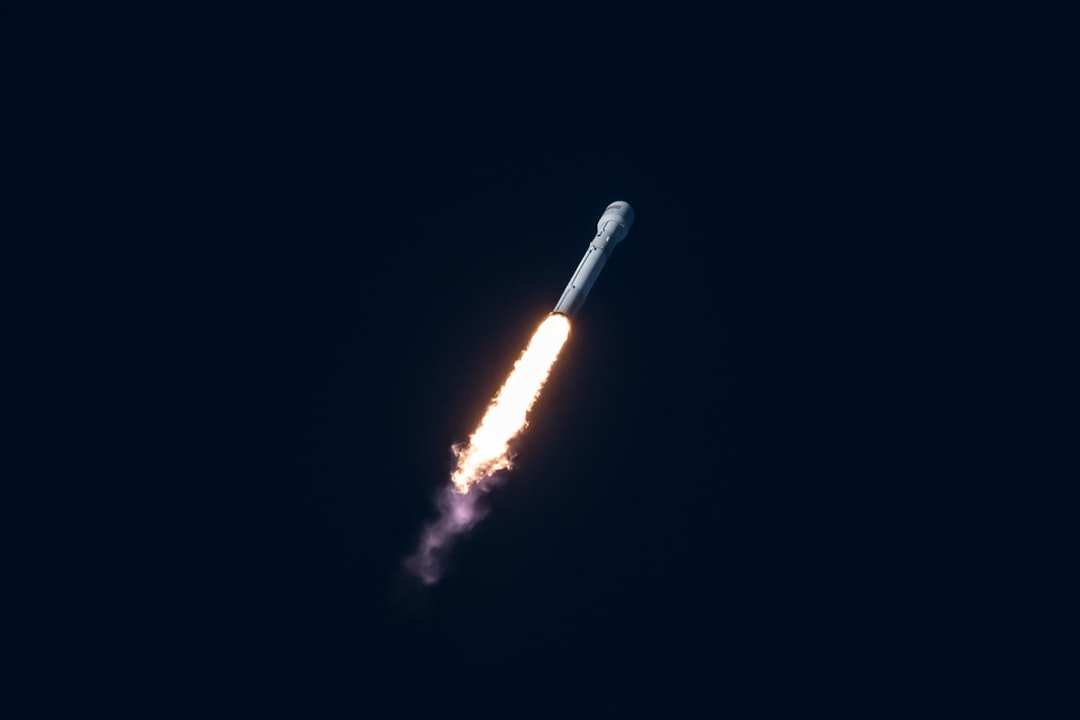
In the predawn glow of Cape Canaveral, where the roar of engines has long echoed humanity's reach for the stars, a new chapter unfolds. On February 2, 2026, the Eastern Range will orchestrate a high-stakes ballet: fueling and launching a United Launch Alliance Vulcan rocket for a national security mission, while simultaneously running a critical wet dress rehearsal for NASA's massive Space Launch System (SLS) at Kennedy Space Center. It's a test of nerves, logistics, and cutting-edge coordination—proof that America's space infrastructure is evolving to handle the relentless pace of modern rocketry.
Juggling Fire and Ice: Same-Day Operations
Picture this: two colossal rockets, separated by mere miles, both demanding the Eastern Range's undivided attention. The Vulcan, carrying the USSF-87 payload, will thunder skyward from what sources indicate is likely Space Launch Complex 41 at Cape Canaveral Space Force Station. Meanwhile, at Launch Complex 39B, NASA's SLS—destined for the Artemis 2 crewed lunar flyby—will undergo a full tanking test, loading and unloading propellants to simulate launch conditions.
Col. Joyce Bulson, deputy commander of the U.S. Space Force's Space Systems Command Space Launch Delta 45, calls it a triumph of "deconfliction." In an interview with Spaceflight Now updated on January 24, 2026, she explained the challenge: "It took a lot of work to get to that, a lot of deconfliction of range assets because Artemis uses quite a bit of our range capabilities, similar to a test mission." SLS tests are particularly greedy, devouring resources for telemetry, safety monitoring, and data collection—essential for ensuring the rocket's performance and crew safety.
The Eastern Range, overseeing pads at both Kennedy and Cape Canaveral, has honed this multitasking through sheer volume. In 2025 alone, it facilitated a record 109 orbital flights, a surge driven by commercial heavyweights like SpaceX's Starlink constellation and NASA's Commercial Crew program. This experience underpins the February 2 operations, where shared assets must seamlessly support multiple pads without a hitch.
Shifting Responsibilities in a Commercial Era
Gone are the days when the government micromanaged every drop of fuel. Today, launch providers handle their own commodities—fuels, propellants, the works. "The government, or the Department of Defense, is not involved in commodities," Bulson noted. "That is something that the launch providers secure themselves or come up with their own solutions for." It's a pragmatic shift, freeing up the Eastern Range to focus on oversight: ensuring safety protocols, collecting performance data, and maintaining neutrality amid the frenzy.
Technical details highlight the diversity: SLS guzzles liquid oxygen and liquid hydrogen, a volatile mix that demands precision. Vulcan, by contrast, runs on methane and liquid oxygen, marking ULA's next-gen successor to the Atlas V. While exact timelines and safety margins remain under wraps, sources confirm no conflicts in the schedules, underscoring the Range's role as a impartial referee in this high-octane game.
A Packed February and the Broader Horizon
February 2026 promises to keep the Space Coast humming like a well-oiled engine. SpaceX eyes February 11 as the earliest slot for its Crew-12 mission to the International Space Station aboard a Falcon 9—though it all hinges on Artemis 2's progress. "The agency is looking at Feb. 11 as the earliest date for launching the SpaceX Crew-12 mission," reported Spaceflight Now. "However, it hinges entirely on the status of Artemis 2 and whether or not it has launched." Add in Blue Origin's unspecified mission and ULA's Vulcan flight, and the month could rival a blockbuster launch calendar.
This isn't just Florida flair; it's part of a national evolution. Born in the Cold War, the Eastern Range has transformed from sporadic government ops to a hub for equatorial orbits, contrasting Vandenberg's polar prowess out west. Infrastructure upgrades have shattered bottlenecks, enabling seamless support for national security payloads like USSF-87 and exploratory giants like SLS, which flew uncrewed on Artemis 1 in 2022 but saw Artemis 2 slip from its 2025 target.
Forging Ahead in the Space Race
As reusability tech advances and ranges modernize, officials predict the cadence could climb to 150 flights or more annually. These February feats aren't mere rehearsals—they're a bold statement of U.S. space dominance amid global tensions, ensuring efficient use of shared assets without compromising critical missions.
In an update from Spaceflight Now on January 24, 2026, at 8:40 p.m. EST, Bulson emphasized the planning's depth. No new details on fueling protocols emerged, but the message is clear: the Eastern Range is ready, resilient, and racing toward the stars. For space enthusiasts, it's a reminder that the final frontier is closer—and busier—than ever.


