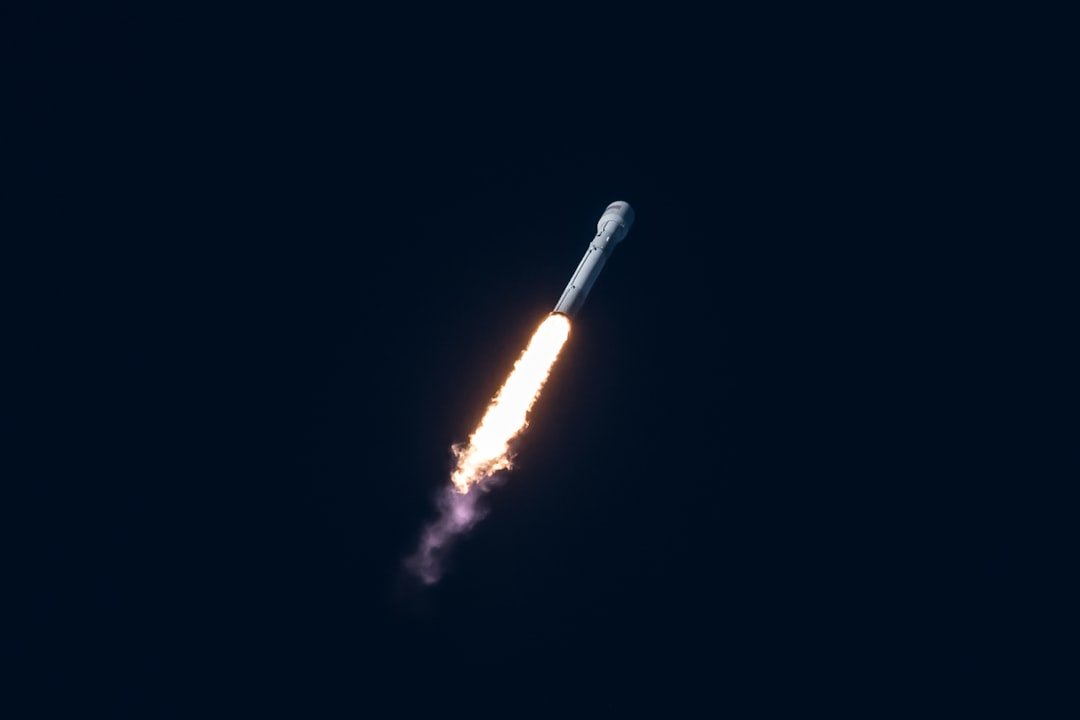
WALLOPS ISLAND, Va. (AP) — Rocket Lab delivered its “Hungry Hippo” fairing to the company’s Virginia launch site on Jan. 26, 2026, marking progress toward the Neutron rocket’s inaugural flight, officials said. The fairing arrived at Launch Complex 3 for inspections, the company announced in a press release.
The captive fairing design keeps its halves attached during launch, payload deployment and return, which Rocket Lab described as a world-first for commercial rockets. Qualification testing wrapped up in late 2025, according to the release. No independent verification confirmed the “world-first” claim, though similar concepts appear in patents from other firms, records show.
Neutron is Rocket Lab’s reusable medium-lift rocket, capable of carrying up to 13,000 kilograms to low Earth orbit, the company said. It targets national security, science and satellite constellation missions, with launches planned from the Mid-Atlantic Regional Spaceport at Wallops Island.
The U.S. Space Force selected Neutron for its National Security Space Launch Phase 3 Lane 1 program on March 27, 2025, making it eligible for up to $5.6 billion in contracts through 2029, according to a Space Force announcement. Rocket Lab aims to compete with providers like SpaceX.
Delays have pushed Neutron’s first flight beyond the first quarter of 2026, Space.com reported, citing a main stage failure during recent testing. Rocket Lab did not specify a new launch date.
The “Hungry Hippo” fairing supports Neutron’s rapid reuse strategy, with halves that open and close for second-stage payload deployment, officials said. This reduces costs compared with traditional jettisoned fairings, according to Rocket Lab. The company transported the fairing to its Neutron Assembly and Integration Complex for pre-launch checks.
“Neutron will be the world’s largest reusable carbon composite rocket, capable of launching up to 13,000 kg (33,000 pounds) of payload and cargo to space,” Rocket Lab stated in its press release.
Rocket Lab has launched more than 50 Electron rockets since 2017 for small satellite missions, company records show. Neutron expands its capabilities to medium payloads.
The fairing’s arrival follows qualification tests, including vibration and thermal assessments, according to sources familiar with the process. Rocket Lab shared images of the fairing at the Virginia site.
Space.com noted the fairing caps the Neutron vehicle, which remains under development. “The novel rocket topper will cap Rocket Lab’s Neutron launch vehicle, which is still currently under development,” the outlet reported. “The company had previously been progressing toward a Q1 2026 debut ... but a failure in the rocket’s main stage during a recent [test] ...”
Neutron’s carbon composite structure enables reusability, following a “launch, return, and launch again” model similar to aviation operations, Rocket Lab said. This aims to lower launch costs.
The NSSL selection highlights Neutron’s potential for military missions, Space Force officials said. Phase 3 emphasizes domestic providers to reduce foreign dependence.
Rocket Lab, listed on Nasdaq as RKLB, develops rockets from U.S. and New Zealand facilities. It announced Neutron in 2021, with initial targets for 2024 launches. Delays stemmed from engine development and testing issues, industry sources said.
Wallops Island hosts NASA’s Wallops Flight Facility alongside the commercial spaceport. Virginia officials support the site’s growth for medium-lift rockets.
“With a focus on rapid reuse ... Neutron’s ‘Hungry Hippo’ fairing halves remain attached for the full mission and open/close for second-stage deployment, a world-first ...,” Rocket Lab stated in materials echoed by industry outlets.
The design draws from Electron recovery efforts, where helicopters caught descending fairings. Neutron integrates this into a captive system to streamline operations.
No specific payload has been announced for Neutron’s first flight. Rocket Lab plans commercial and government missions after the debut.
Investors are monitoring Neutron’s role in satellite constellation demand. Competitors like Blue Origin’s New Glenn also pursue reusable medium-lift capabilities.
Rocket Lab reported no issues during the fairing’s transport. Inspections continue at the dedicated complex.
The milestone comes as Rocket Lab sustains Electron operations, including a Jan. 30, 2026, launch, according to mission logs.
Analysts view the fairing’s arrival as a key step despite setbacks, positioning Rocket Lab in the growing medium-lift market.
U.S. officials promote expanded domestic launch options for national security. Neutron’s NSSL inclusion aligns with this goal.
Rocket Lab did not provide cost savings data for the fairing. Further integration testing details are pending.
The announcement drew attention from space enthusiasts and stock watchers, with RKLB shares reacting, market data showed.
Virginia economic development officials welcomed the progress at Wallops, which supports aerospace manufacturing jobs.
Rocket Lab continues Neutron assembly, with its Archimedes engines tested in 2025.
The fairing suits Neutron’s payload capacity, protecting satellites during atmospheric ascent.
Rocket Lab targets aviation-like turnaround times, requiring durable components like the “Hungry Hippo.”
Executives expressed confidence in meeting revised timelines, though no firm inaugural launch date is set.
The development reflects trends in reusable rocketry, pioneered by SpaceX with ship-based fairing recovery.
Neutron aims to fill a gap for medium payloads in proliferated low Earth orbit constellations.
Rocket Lab emphasized the fairing’s role in cost-effective space access.
Mid-Atlantic Regional Spaceport officials confirmed the arrival, with integration proceeding as planned.
Space.com provided the sole independent report on delays among reviewed sources. Aggregators repeated Rocket Lab’s press details without additions.


