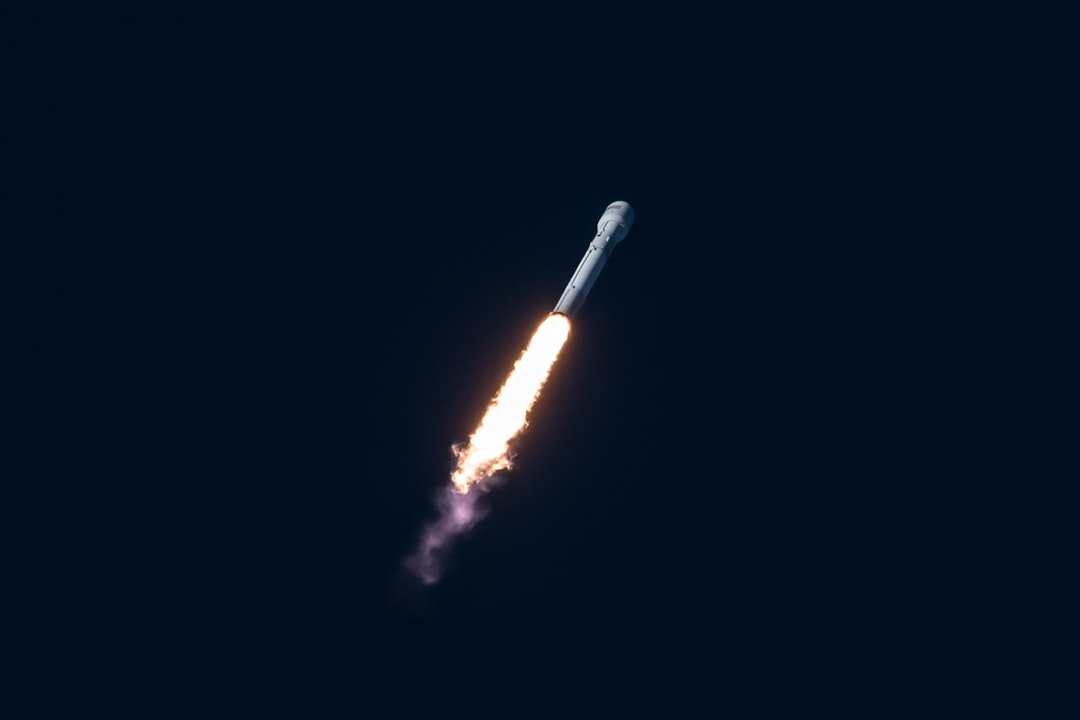
In the dead of night at Cape Canaveral, a streak of fire pierced the Florida sky. SpaceX's Falcon 9 rocket roared to life, carrying a vital U.S. Space Force GPS satellite into orbit. But this wasn't just another routine launch—it was a last-minute pivot from a rival rocket, underscoring the high-stakes drama of America's space ambitions.
A Weather-Dodging Liftoff
The mission kicked off late Tuesday, January 27, 2026, from Space Launch Complex 40 at Cape Canaveral Space Force Station. Originally slated for 11:42 p.m. EST the night before, the launch faced a 24-hour scrub due to dicey recovery weather. "Keeping an eye on recovery weather," SpaceX tweeted cryptically on January 26, hinting at the challenges of retrieving the reusable booster amid gusty conditions.
Forecasters from the 45th Weather Squadron had painted a grim picture: only 40% favorable odds for the initial window, thanks to a stubborn cold front ushering in high winds and northerly gusts. "Behind the front, much colder and drier air will filter in as northerly winds significantly increase with the tightening pressure gradient," their outlook warned. These weren't mere breezes—they were the kind of blustery forces that could jeopardize drone ship operations, a recurring headache in SpaceX's reusable rocket playbook.
Yet, persistence paid off. Liftoff finally came Tuesday night, and about 1.5 hours later—at 1:40 a.m. EST on January 28—the GPS III SV09 satellite separated cleanly into its medium Earth orbit, roughly 20,200 kilometers above the planet. SpaceX confirmed the deployment, marking another notch in the Falcon 9's belt of successes.
The Switch: From Vulcan to Falcon
What made this launch particularly intriguing? It wasn't supposed to be SpaceX's show. The mission had been earmarked for United Launch Alliance's (ULA) Vulcan Centaur rocket, but a government decision rerouted it to Falcon 9. Sources point to Vulcan's certification delays as the culprit—ULA's beast of a launcher only debuted in 2024 after multiple setbacks, shaking up assignments in the National Security Space Launch program.
This isn't isolated drama. SpaceX has been gobbling up about 80% of recent slots in the program, buoyed by the Falcon 9's staggering record of over 300 successful launches. Cost plays a role too: a Falcon 9 mission rings in at around $70 million, while Vulcan's price tag hovers at $100 million or more. In an era of supply chain snarls and reusable tech, SpaceX's edge shines through, even as weather delays—like those plaguing recent ULA and SpaceX efforts—remind us that spaceflight remains a finicky endeavor.
Tech That Fights Back: Inside GPS III SV09
At the heart of the payload is the GPS III SV09, the ninth in a series of 10 satellites crafted by Lockheed Martin. This isn't your everyday navigation aid; it's a military powerhouse, equipped with advanced M-Code technology for pinpoint accuracy and robust resistance to jamming. "Provide the warfighter with a significantly more accurate and jam-resistant capability," the Space Force touts in its program docs.
Overseen by the U.S. Space Force's Space Systems Command through System Delta 80, and processed by Combat Forces Command's Mission Delta 31, the satellite bolsters the aging GPS constellation. With 31 operational birds already circling the globe, the Block III series—launched starting in 2018—aims for 95% or greater coverage and enhanced defenses against spoofing. SV09 joins eight siblings in this modernization push, with just one more left in the pipeline.
No immediate specs on the satellite's exact orbit—like inclination or apogee—emerged post-deployment, but commissioning is underway. It's a quiet but critical upgrade to a system that's been guiding everything from troop movements to civilian apps for over 30 years.
Broader Horizons: Competition and Resilience in Space
This marks the third GPS satellite lofted in as many years, per Spaceflight Now's tally from spacelaunchschedule.com. Amid intensifying global rivalries, it signals America's commitment to space assurance—keeping navigation signals sharp and secure against adversaries.
As Falcon 9 continues to outpace Vulcan's teething pains, the launch highlights a shifting landscape in U.S. rocketry. Reusability isn't just a buzzword; it's a game-changer, even if Mother Nature occasionally throws a wrench in the works. With live coverage from outlets like Spaceflight Now capturing the tension, missions like this remind us: in the race to the stars, adaptability isn't optional—it's essential.


