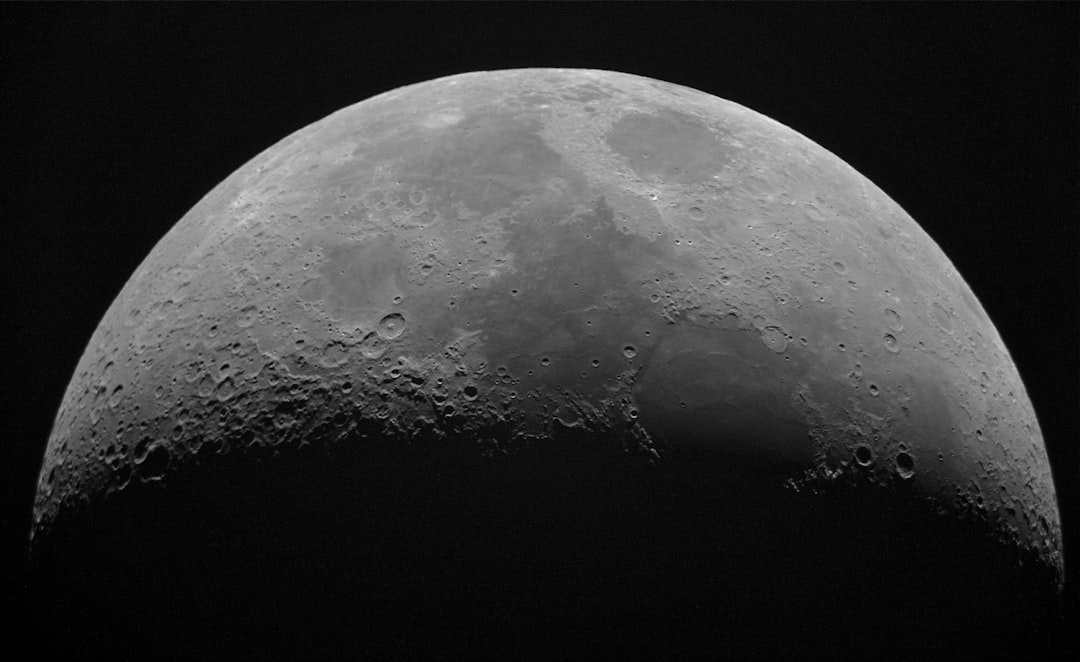
Meet the Artemis II Astronauts: Pioneers Poised for a Lunar Odyssey
KENNEDY SPACE CENTER, Florida — Imagine the thunderous roar of a colossal rocket piercing the Florida sky, carrying humans back to the moon's shadow for the first time in over half a century. That's the promise of NASA's Artemis II mission, slated for launch no earlier than February 8, 2026, from Launch Pad 39B. At the helm: a quartet of astronauts ready to etch their names into the annals of space exploration. Commander Reid Wiseman and pilot Victor Glover hail from the U.S., joined by mission specialists Christina Koch (also U.S.) and Jeremy Hansen from Canada. This crew isn't just flying—they're bridging eras, testing uncharted limits in a 10-day flyby that will loop around the moon's enigmatic far side without touching down.
The Crew: Trailblazers with Stories Etched in the Stars
Leading the charge is Reid Wiseman, 50, a battle-tested Navy veteran who once commanded the International Space Station during Expedition 41 in 2014. He racked up 165 days in orbit, navigating the ceaseless hum of life support systems and the weightless ballet of microgravity. Wiseman's voice crackles with unfiltered enthusiasm: "A lotta pride," he told CBS News. "A lotta pride for the nation, and a lotta pride for the international partnerships that have put this thing together." His fighter pilot days, including combat missions in the Middle East, honed the sharp instincts he'll need for this deep-space venture.
Beside him sits pilot Victor Glover, 49, whose resume reads like an aviation epic. A Navy test pilot with over 3,000 hours in more than 40 aircraft types, Glover shattered barriers in 2020 as the first Black astronaut on a long-duration mission aboard the SpaceX Crew Dragon. Now, he's set to guide the Orion spacecraft through the void, where every decision could mean the difference between triumph and peril.
Christina Koch, 46, brings endurance forged in isolation. She shattered records with a 328-day stint on the station from 2019 to 2020—the longest single spaceflight by a woman. An engineer at heart, Koch has braved Antarctic research stations, conducted six spacewalks (including the historic first all-woman outing with Jessica Meir), and now eyes the moon's far side with the precision of a scientist unraveling cosmic secrets.
Rounding out the team is Jeremy Hansen, 50, the first Canadian bound for lunar orbit. A former Royal Canadian Air Force fighter pilot, Hansen has supported NASA's capsule communicator ops, bridging ground control with the heavens. His inclusion underscores the mission's global spirit, marking the first non-U.S. astronaut on such a journey since the Apollo days.
Gearing Up: A Behemoth Awakens on the Pad
Tension mounted on January 18, 2026, as the Space Launch System (SLS) rocket— a 98-meter titan weighing 3.5 million pounds when fueled—trundled out from the Vehicle Assembly Building. Hauled by an Apollo-era crawler-transporter at a glacial pace of less than 1 mph, it covered four miles in 12 hours, drawing crowds to viewing spots where timelapse footage captured the spectacle like a slow-motion leviathan stirring from slumber.
But preparations hit a snag during a recent wet dress rehearsal, a critical simulation of fueling ops. Engineers paused the liquid hydrogen flow to the core stage for troubleshooting, resolving the glitch without spilling details on its cause. Powered by liquid hydrogen and oxygen in its core, flanked by solid rocket boosters for that initial gut-punch of thrust, the SLS now stands ready, its assembly a symphony of stacked stages in the cavernous Vehicle Assembly Building.
Reviving Lunar Dreams: From Apollo's Echo to Future Footprints
Artemis II isn't just a sequel—it's a high-stakes proving ground, building on the uncrewed Artemis I's successful 2022 lunar loop that validated the SLS and Orion for human passengers. The crew will push the spacecraft's life support, radiation shields, and abort systems to their limits in deep space, enduring eerie communications blackouts while skirting the moon's far side—a shadowy realm unseen from Earth, ripe with data on resources for future outposts.
Delays have tested patience, shifting the launch from late 2024 amid SLS technical hurdles. Yet this mission revives U.S. lunar ambitions after a 53-year hiatus since Apollo 17's 1972 touchdown. As China eyes its own landing by 2030, Artemis emphasizes collaboration: Canada's Hansen and the upcoming Canadarm3 for the Gateway station highlight partnerships, with Lockheed Martin crafting the Orion under NASA contract.
The crew has drilled relentlessly in Houston's Johnson Space Center simulators, mastering emergencies and experiments that could unlock sustainable moon ops. Backups—NASA's Stephanie Wilson, Randy Bresnik, Andre Douglas, and Canada's Jenni Gibbons—train in tandem, a shadow team ensuring no setback derails the dream.
Horizons Ahead: Inspiration Amid the Infinite
Costs loom undisclosed amid past scrutiny over budgets and timelines, but the payoff? Priceless. Artemis II paves the way for Artemis III's 2027 landing and beyond— a lunar foothold, the Gateway hub, and eventual Mars treks. Commercial players like SpaceX, tapped for Artemis III's Human Landing System, weave private ingenuity into the tapestry.
As teams eye engine checks, software verifications, and February's weather window, the far-side flyby promises insights into lunar bounties for long-haul missions. "These explorers represent the best of humanity, daring to forge new frontiers in space," NASA declares. In an era of cosmic competition, Wiseman's pride echoes a universal thrill: We're not just returning to the moon—we're igniting the spark for generations to chase the stars.


