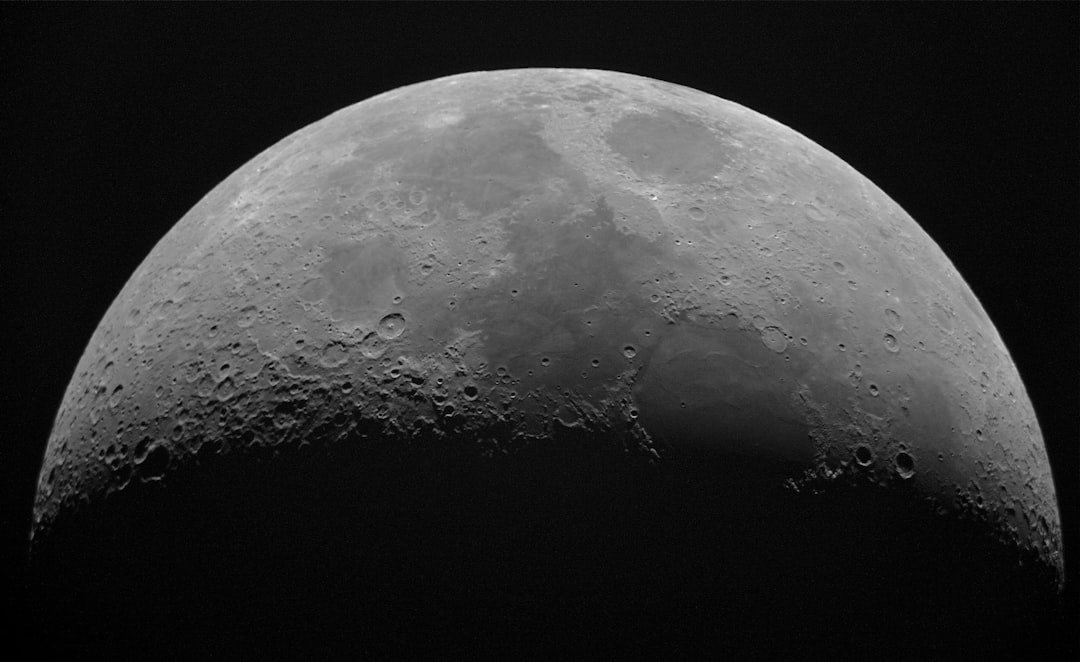
Lunar Leap: Artemis II's Historic Mission and the Future of Moon Exploration
NASA plans to launch its Artemis II mission in early February 2026, sending four astronauts on a 10-day flyby around the moon. The crew includes commander Reid Wiseman, pilot Victor Glover, mission specialist Christina Koch and Canadian Space Agency astronaut Jeremy Hansen. The launch is set for Kennedy Space Center in Florida, with the first opportunity on Feb. 8, according to Canadian Space Agency officials.
The mission will test the Space Launch System rocket and Orion spacecraft with humans aboard for the first time. NASA aims to validate systems for future lunar landings and Mars exploration. The free-return trajectory will loop around the moon's far side without entering orbit, ensuring a safe return to Earth. This follows the uncrewed Artemis I mission in 2022, which successfully tested Orion's heat shield and other components.
Artemis II marks the first crewed lunar mission since Apollo 17 in 1972. Glover will become the first person of color on a lunar mission, Koch the first woman and Hansen the first Canadian, according to NASA's April 2023 announcements. NASA selected the astronauts from a pool of experienced spacefarers and announced the crew at an event in Houston.
The February 2026 date reflects acceleration from previous 2024 and 2025 targets, amid delays. Canadian Space Agency officials cited recent updates in a January news item confirming the new window. NASA has not issued an official statement on the exact date, but sources align with the podcast "SpaceTime" episode S28E154, which reported the early February timeline. (Note: Unattributed claims from the podcast, such as cubesat deployments and the potential Orion name "Integrity," require official confirmation.)
"With NASA's Artemis campaign, we are exploring the Moon for scientific discovery, technology advancement, and to learn how to live and work on another world as we prepare for human missions to Mars," NASA stated on its official website.
The broader Artemis program involves international partners under the Artemis Accords, signed by more than 40 nations. Canada contributes through Hansen's participation and future elements like the Canadarm3 robotic arm for the Lunar Gateway station, which will serve as an orbiting outpost for lunar operations, according to NASA plans.
The Orion spacecraft carries life support and radiation protection systems critical for deep space travel. Crew training focuses on emergency procedures, system operations and microgravity adaptation. Wiseman, Glover and Koch bring experience from International Space Station missions, while Hansen adds expertise from Canadian space programs. NASA conducts simulations at facilities in Texas and Florida.
The mission will validate hardware for Artemis III, targeted for a crewed lunar landing in 2027. That flight plans to use SpaceX's Starship for surface access, according to NASA contracts. Artemis aims for sustainable lunar presence, focusing on the moon's south pole for water ice resources.
A 50-year gap has passed since Apollo ended in 1972, when NASA shifted focus to the space shuttle and International Space Station. The Artemis program revives deep space exploration using the SLS, developed since 2011.
Commercial partners play key roles: Boeing builds the SLS core stage, while Lockheed Martin constructs Orion. International agencies like the European Space Agency provide Orion's service module.
Challenges include delays from technical issues and funding. Artemis I faced launch scrubs before succeeding in November 2022. Officials report progress in stacking the SLS for Artemis II.
The program connects to broader space exploration trends. China pursues its own lunar plans with the International Lunar Research Station. The U.S. emphasizes collaboration through the Artemis Accords to counter rival efforts.
Future missions plan to establish a lunar base for resource utilization. Water ice at the poles could produce fuel and support habitats, NASA studies indicate. This supports long-term goals for Mars missions in the 2030s.
Podcast sources highlighted lunar rock analysis from Apollo samples, informing current strategies. Scientists use these to understand the moon's composition for future mining and habitation. (Note: Attribution to specific podcast episodes recommended for verification.)
Artemis II's success will reduce risks for subsequent flights, with priority testing of abort systems and radiation monitoring during the flyby.
Officials expect the mission to inspire global audiences, with NASA planning live coverage of the launch and key events.
The program budgets billions annually, with SLS development costing more than $20 billion to date, according to government reports.
International participation strengthens the effort. Hansen's role underscores Canada's investment in space robotics.
As preparations advance, NASA monitors weather and technical readiness for the February window.


