In the high-stakes world of space exploration, where every valve and seal could mean the difference between triumph and delay, NASA has locked in new launch windows for Artemis II. The mission, set to send humans around the moon for the first time in over half a century, now eyes March 6-9 or March 11, 2026, blasting off from Kennedy Space Center in Florida. This update, revealed in an official document revised on February 4, 2026, underscores the agency's relentless push forward despite nagging technical hurdles.
A Rehearsal Gone Awry
The shift stems from a tense wet dress rehearsal in early February 2026, which exposed persistent gremlins in the hardware. Held February 1-3 at Launch Complex 39B, the test aimed to simulate launch conditions by loading cryogenic propellants into the Space Launch System (SLS) rocket, sealing the Orion capsule, and draining the system. NASA hailed partial successes in a February 3 blog post: "We successfully loaded cryogenic propellant into the SLS tanks, sent a team out to the launch pad to closeout Orion, and safely drained the rocket."
Yet, beneath the optimism, cracks appeared. Scientific American reported on February 4 that hydrogen fuel leaks—echoes of issues from the 2022 Artemis I mission—resurfaced, compounded by a stubborn valve problem in the Orion capsule, even after a replacement. These glitches derailed earlier February targets, forcing NASA to pivot. Officials are now eyeing fixes and possibly a rehearsal redo in about a month, signaling that the path to the moon remains as unpredictable as the void itself.
Mission at a Glance: A Lunar Loop
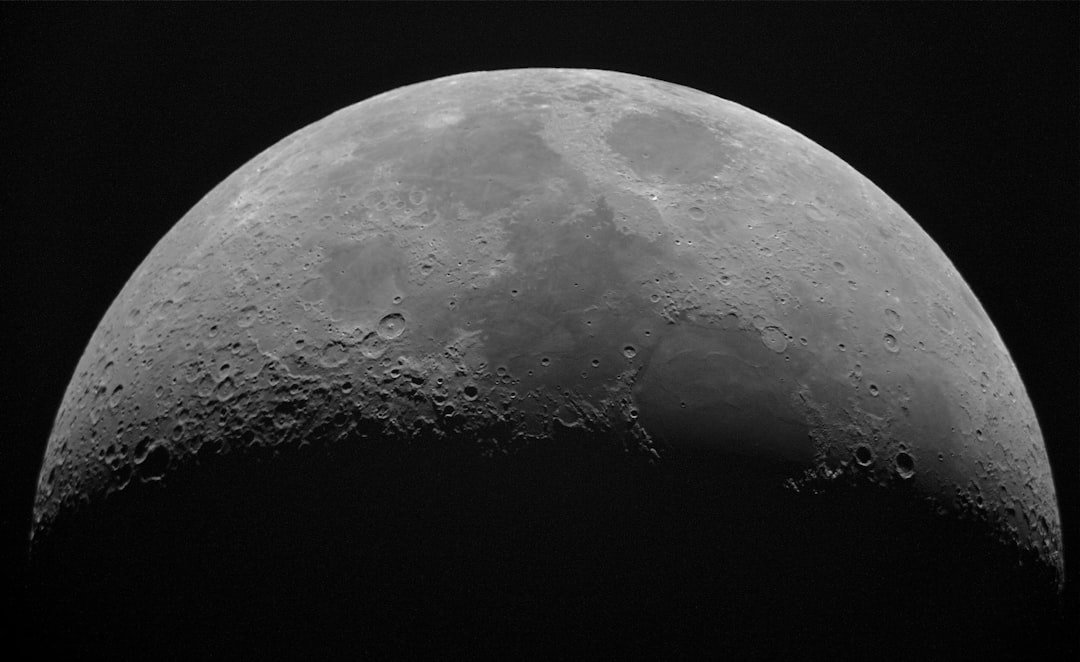
Artemis II isn't about planting boots on lunar soil— that's for later. Instead, it's a daring 10-day flyby, looping four astronauts around the moon at a breathtaking 6,400 miles altitude before a splashdown in the Pacific Ocean around March 15, 2026. Powered by the mighty SLS rocket and the Orion spacecraft (designated CM-003/Integrity), this will be the first crewed test of these systems in deep space since the Apollo era.
The U.S. Navy stands ready for recovery, deploying a San Antonio-class amphibious transport dock to pluck the capsule from the waves. NASA's official page pegs the launch as no earlier than March 2026, while Wikipedia notes a potential slot no earlier than March 7 at 01:29 UTC (March 6 at 20:29 EST). It's all part of validating the tech for bolder steps ahead.
Meet the Trailblazers
Leading this cosmic voyage is a seasoned crew: Commander Reid Wiseman, Pilot Victor Glover, Mission Specialist Christina Koch, and Mission Specialist Jeremy Hansen. They've honed their skills through rigorous simulations, preparing for everything from zero-gravity maneuvers to emergency protocols. This diverse team embodies NASA's vision of inclusive exploration, drawing on lessons from commercial partners like SpaceX's Crew Dragon.
Echoes of Apollo and Modern Challenges
Artemis II channels the spirit of Apollo 8's 1968 lunar orbit, that iconic flight that gifted humanity the "Earthrise" photo—a fragile blue marble against the lunar desolation. As AmericaSpace put it, "Even for spaceflight enthusiasts, it is difficult to comprehend how monumental next year’s Artemis 2 mission will be. The crewed lunar flyby will be the 21st Century’s equivalent of Apollo 8."
Building on the uncrewed Artemis I success in 2022, this mission tests human-rated SLS and Orion amid a backdrop of delays and budget swells. Preparations at Pad 39B involve the Mobile Launcher, with engineers applying Artemis I fixes to SLS hydrogen tank leaks. It's a high-wire act, proving U.S. prowess against rivals like China's planned International Lunar Research Station by 2030.
Originally eyed for early February 2026—accelerated from later dates by two months in 2025—the timeline slipped due to these recent snags. NASA hasn't detailed cost impacts or confirmed a rehearsal redo, but the March windows signal cautious optimism.
Toward the Horizon: Moon, Mars, and Beyond
As Artemis II gears up, it paves the way for Artemis III's lunar landing, targeted for 2027 or later. Challenges with SLS and Orion highlight contrasts with nimble commercial options like SpaceX's Starship, yet the program presses on, fostering a sustained lunar presence and eyeing Mars.
"The first crewed Artemis flight marks a key step toward long-term return to the Moon and future missions to Mars," NASA's page declares. For a global audience, it promises awe-inspiring views, rekindling Apollo-era wonder. Despite the setbacks, this mission isn't just a flight—it's a bold stride into humanity's next chapter among the stars.


